How to cope with grief of a partner
How to cope with grief of a partner
Losing a partner can feel like the ground has shifted beneath you. The days that follow often bring a strange mix of shock, exhaustion, confusion, and a heaviness that words struggle to hold. There is no single right way to grieve. Still, there are practical steps and gentle habits that may help you move through this time with more care for yourself and for the relationship you shared.
This guide aims to offer compassionate, realistic suggestions for the early days and the months that follow. Consider each idea and take what feels right. You may find some moments of comfort, and you may find others feel out of reach. Both responses are valid.
What to expect in the early weeks
Grief often arrives in waves. One hour you may be managing daily tasks, the next you may feel overwhelmed by memories or by the reality of the loss. Common experiences include:
- Fatigue, even after sleep
- Difficulty concentrating or making decisions
- Intense emotions that change quickly
- Physical symptoms like tightness in the chest, appetite changes, or headaches
- Moments of disbelief or numbness
These reactions can be frightening, but they are frequent parts of bereavement. Try to give yourself permission to feel without judging the pace or shape of your grief. Allow immediate, practical needs to guide some of your choices. For instance, focusing on meals, rest, and a short list of priorities can create small anchors during a chaotic time.

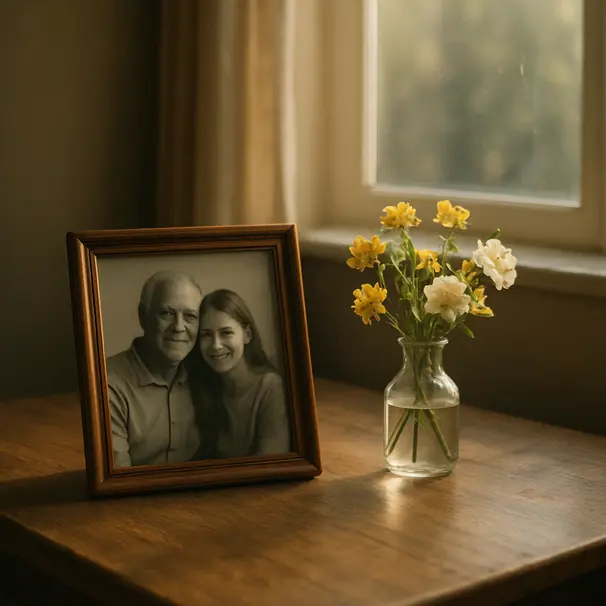
Framed photos bring memories into a calm space.
Practical steps to manage daily life
When a partner dies, practical matters pile up alongside sorrow. Taking control of small tasks can reduce anxiety. Consider these steps:
- Make a short list each day. Start with essentials: food, sleep, and any critical appointments. Keep the list short so it’s achievable.
- Ask for help. Friends and family often want to help but may not know how. Give them specific tasks: bring a meal, water the plants, pick up prescriptions, or handle a phone call.
- Use simple systems. A calendar, a notepad, or a shared document can track appointments, bills, and messages. This keeps information in one place and reduces the mental load.
- Delay big decisions. If possible, avoid changing major things—selling a home, changing jobs, or moving—until you’ve had time to breathe and consult with someone you trust.
These small systems can create breathing room so emotions don’t have to compete with urgent logistics.
Caring for your body and mind
Grief affects both body and mind. Paying attention to basic self-care may feel difficult, but it can make a real difference.
- Sleep: Aim for regular rest patterns. Short naps can help during days when night sleep is fractured. If sleep is impossible, try relaxation techniques like guided breathing for a few minutes.
- Food: Nutritious, simple meals can support energy. Keep easy options available—prepared soup, fruit, and snacks that require little effort.
- Movement: Gentle movement, such as walking, stretching, or light yoga, may ease tension and improve mood. You might not feel like exercising, and that’s okay. Even a short walk around the block can help.
- Mindfulness and grounding: Brief grounding exercises—naming five things you can see, hearing three sounds, feeling your feet on the floor—can bring moments of calm during intense emotion.
If your grief brings persistent thoughts of self-harm or harming others, consider reaching out to a local crisis line or emergency services immediately. If you’re unsure, speak with a mental health professional for guidance.

Friends share stories during a quiet outdoor gathering.
Finding and accepting support
Grief is often isolating, but there are ways to gather support that fit your needs and comfort level.
- Family and friends: Let people know what you need. Short messages such as “I need someone to sit with me this afternoon” can help. You may find some relationships shift, and that’s a natural part of loss.
- Support groups: Many communities and organizations offer bereavement groups for people who have lost partners. Group settings can provide companionship and shared understanding.
- Counseling: A therapist with experience in grief can offer coping strategies and a place to process complicated feelings. You may find individual therapy or couples’ bereavement groups helpful.
- Practical services: Meal trains, volunteer networks, or community organizations can provide practical relief. Accepting help is not a sign of weakness; it helps you preserve energy for processing loss.
Support can look different over time. You might want more company right after the funeral and prefer solitude later. Both needs are valid.
Honouring your partner and preserving their memory
Creating ways to remember your partner can be comforting. These acts vary widely and should reflect the life you shared.
- Memory boxes: Gather meaningful items—photographs, letters, small objects—that remind you of particular moments.
- Rituals: Simple rituals, like lighting a candle on an anniversary or making a favorite meal, can mark time and connection.
- Sharing stories: Talking about your partner with friends or writing down memories can keep their voice present in everyday life.
- Creative projects: Consider a photo book, a playlist, or a piece of art that holds specific memories. These projects can be completed slowly and may be revisited when you feel ready.
There is no single right memorial. Small daily acts of remembrance can be as meaningful as larger, public ceremonies.

Writing a letter can be a gentle way to remember.
Navigating anniversaries, holidays, and milestones
Anniversaries, birthdays, and holidays can reopen wounds long after a partner’s death. Planning ahead can reduce the shock of these days.
- Mark the day in a way that feels honest. You might celebrate quietly, spend time with others, or take a day for reflection.
- Prepare options. Make a plan for how you might spend the day, but allow yourself to change it. Flexibility can reduce pressure.
- Reach out: Let someone know these days may be hard. A brief message or a coffee with a friend can make a difference.
- Create new traditions. Over time, you may develop rituals that honour the past while fitting your present life.
Grief on these days may still feel intense even years later. That is normal. The intensity often shifts but can return around meaningful dates.
Supporting children and family members
If you share children or close family with your partner, their grief will affect the whole household. Age matters, but honesty and reassurance are universal supports.
- Use clear, age-appropriate language. Avoid euphemisms that may confuse young children.
- Let them express feelings in their way. Play, drawing, or questions can be a child’s way of processing loss.
- Keep routines where possible. Familiar rhythms help children feel safe.
- Seek extra help if a child’s behaviour changes drastically or they struggle with school or sleep. A pediatrician or counsellor can offer guidance.
Family grief can intensify tensions and reveal new dynamics. Try to prioritize safety, routine, and open, gentle communication.
Practical estate and administrative matters (gentle note)
Dealing with legal and financial matters may be necessary. These tasks can feel overwhelming, so consider pacing them and seeking trusted advice. You might:
- Make a list of immediate tasks, such as notifying banks, employers, or government agencies.
- Ask a trusted friend or family member to help gather documents or make calls.
- Consult a legal or financial professional when decisions require expertise. Consider getting recommendations from people you trust.
Approach these matters one step at a time. It’s acceptable to take more time than you expected.
When to seek additional help
Grief is a long process, but there are times when extra support can help:
- You have persistent thoughts of harming yourself or others.
- You can’t manage basic self-care for an extended period.
- Depression, anxiety, or panic significantly increase or stop you from functioning.
- You’re unsure how to cope with daily responsibilities despite support.
A mental health professional, grief counsellor, or your primary care provider can help connect you with appropriate resources. Consider reaching out for a consultation to explore options.
Supporting others who are grieving
If you’re helping a friend who lost their partner, small acts of presence can be powerful:
- Offer practical help with meals, errands, or childcare.
- Sit in silence if words fail. Sometimes presence matters more than perfect phrasing.
- Ask before giving advice. Gentle questions like “What do you need today?” can guide your support.
- Keep checking in over time. Grief doesn’t end after the funeral. Continued offers of help can feel sustaining.
Remember that everyone grieves differently. Your role is to listen, offer practical support, and respect their pace.
Small ways to carry their love forward
Over months and years, you might look for ways to keep your partner’s presence alive:
- Volunteer for a cause they cared about.
- Create a yearly ritual that honours a memory.
- Share stories with new friends or family members.
- Consider gentle ways to bring their belongings into daily life if that feels comforting.
These acts don’t erase grief. They can, however, shape a continuing connection that feels meaningful.
Closing thoughts
Grief after losing a partner changes over time. It can come in waves, sometimes unexpectedly. Be patient with yourself. Allow trusted people to help, and consider professional support if grief begins to overwhelm your ability to function. You don’t have to carry everything alone.
In time, the sharpness of pain may ease while the love you shared remains. That love can continue to shape how you live and remember. Take each day as it comes, lean on others, and treat yourself with the same kindness you would offer a dear friend.