
Who Has the Legal Right to Arrange a Funeral?
Who legally arranges a funeral?
Losing someone brings a flood of practical tasks to manage, and arranging a funeral is often one of the first. The person who has the legal right to arrange a funeral can vary widely by country, state, or local rules. This article explains common situations, what to look for in documents, and practical steps if there is no clear decision-maker or if family members disagree.
Common order of priority
Many places follow a general order of priority when deciding who may arrange a funeral. This is a helpful starting point, but it is only a guideline. Local laws and specific documents can change the order.
Typical priority list
- The deceased person’s expressed wishes, if they left instructions in a written document, prepaid plan, or statement to a funeral home.
- A legally appointed agent for funeral arrangements, sometimes called a funeral representative in advance directives.
- The person named as an executor or personal representative in the will, once the will is validated.
- A spouse or civil partner, when there is one.
- Adult children, often in order of birth but sometimes by agreement.
- Parents of the deceased.
- Siblings, other close relatives, or friends, depending on local rules.
This order can help families understand who is commonly consulted first. Documents and local statutes, however, can override this list. For example, a prepaid funeral contract with a named contact can shift responsibility to that contact.
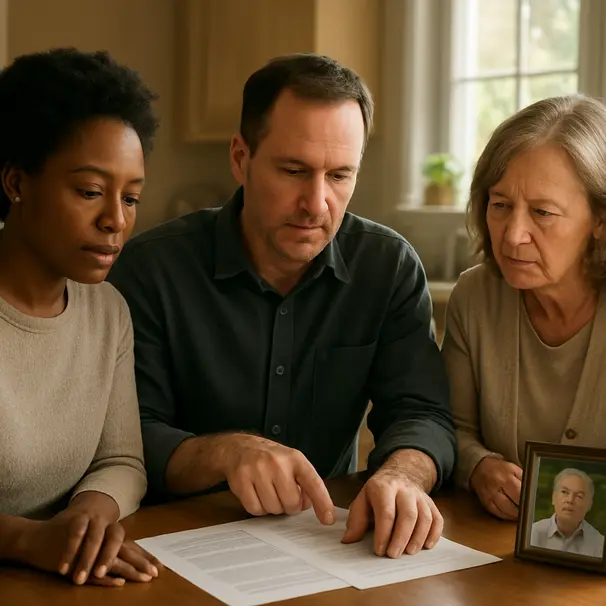
Family members review documents at a kitchen table.
What documents matter most
Certain papers can make the answer clear. Look for these right away, and keep copies available for the funeral director or authorities.
- A written funeral plan or prepaid funeral contract, which may name a specific person to arrange details.
- An advance directive, living will, or specific funeral directive that names a funeral agent or describes burial wishes.
- A will that names an executor or personal representative. Note that the authority of an executor may be limited until the will is proved in probate.
- Funeral home authorization forms previously signed by the deceased.
- Any membership papers from religious or fraternal organisations that include funeral provisions.
Even when a document exists, the funeral home or local officials may ask to see identification and proof that the named person is authorised. Consider keeping original documents, or certified copies, in a safe and accessible place.
When there is no document or named person
If no wishes were left and no agent is named, the legal right often defaults to the next of kin in the local order of priority. That might be a spouse, adult child, or parent. When several people are equally close, it is best to reach a mutual agreement quickly so arrangements can proceed.
If people cannot agree, a funeral home may require a court order, or authorities might follow statutory rules. In some jurisdictions, public health departments or coroners can make temporary decisions to avoid delays in disposition.
What to do when people disagree
Conflict about funeral arrangements is sadly common. The following steps may help calm tensions and move toward a respectful decision.
Practical steps for resolving disagreement
- Pause and breathe. Grief can make decisions feel urgent, but a short pause can ease immediate emotions.
- Identify any written wishes. A signed note, email, or message can be helpful even if it wasn’t a formal document.
- Ask the funeral provider about their requirements. Many will explain who they will accept as authoriser.
- Try to reach a temporary agreement, such as arranging a simple service now and postponing a larger memorial until family discussions are possible.
- Consider mediation or a family meeting with a neutral person, such as a clergy member, counsellor, or mediator.
- If the dispute cannot be resolved, consult a lawyer about petitioning the court for direction. Courts may appoint a representative to make arrangements.
Use gentle language in conversations, and avoid insisting on control when compromise can preserve relationships. A practical approach can allow grieving and remembering to happen without additional legal struggle.
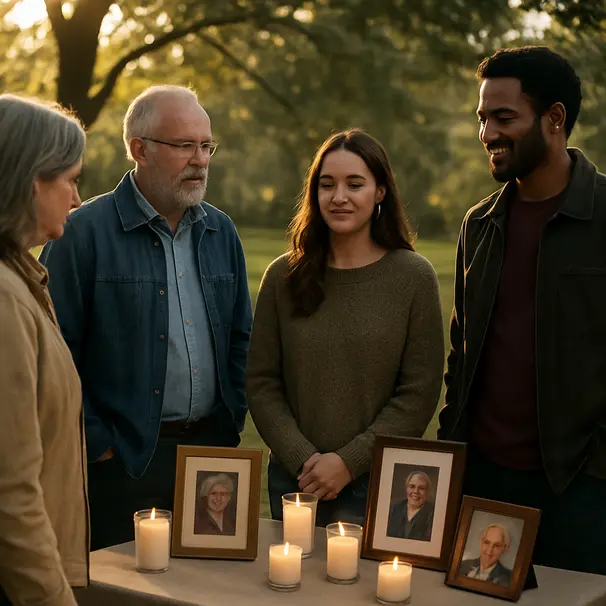
Friends share memories outside at a quiet memorial.
Special situations to consider
Every family’s circumstances differ. These special situations often come up, and they change how decisions are made.
Prepaid funerals and funeral plans
A prepaid contract with a funeral home may name who can speak for the deceased. That contract can carry legal weight, but sometimes family members still need to provide identification or agree to terms. Review the contract carefully and keep records of payments.
Organ or tissue donation
Donation arrangements may be recorded separately, such as on a donor registry. In many places, organ donation decisions made by the deceased or through a registry can take precedence, and they can affect timing and care of the body.
Religious or cultural requirements
Certain faiths or cultures have specific timing, rites, or roles for laying someone to rest. Where possible, discuss these needs with family members and the funeral home. Respect for cultural practices is important and can usually be honoured with advance planning.
No next of kin or unclaimed bodies
When no one steps forward, municipal or public health authorities may arrange disposition. That can be a simple, dignified service. Community organisations or charities sometimes offer support for memorials when families cannot manage arrangements.
Practical checklist for the person who will arrange things
If you are the person taking responsibility, this checklist can help you move through steps with clarity.
- Locate important documents: will, funeral plans, ID, insurance, membership papers, medical or donor records.
- Contact a funeral home to discuss options, pricing, and required paperwork.
- Obtain several copies of the death certificate through the funeral director or registrar.
- Notify key people: close family, named friends, employer, doctor, and clergy or spiritual leaders if relevant.
- Review financial options and ask about payment plans or charities that may help with costs.
- Decide on burial, cremation, or other disposition, and arrange cemetery or crematorium bookings as needed.
- Plan the service tone, speakers, readings, music, and order of service.
- Arrange for care of pets, mail, and property during the immediate period.
Keep a simple folder or digital copy of receipts and decisions, which can help when settling estate matters later. If costs are a concern, ask the funeral home about low-cost options or community supports that may be available.
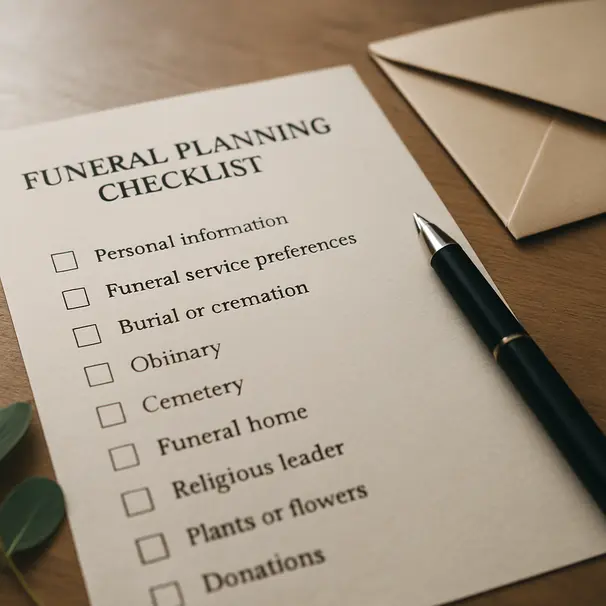
A checklist and pen ready to guide next steps.
Cost and payment considerations
Funeral expenses can add stress. Many families wonder who pays and how. Typically, the estate of the deceased is expected to cover funeral costs. If the estate lacks sufficient funds, liability can depend on local rules. Sometimes, a spouse or family member may pay up front and later seek reimbursement from the estate.
If you are worried about costs, ask the funeral home for:
- An itemised price list before choosing services.
- Options for simpler or delayed services.
- Information about public assistance, charity funds, or veterans’ benefits that may apply.
Transparent conversations about costs can reduce tension and help families make caring choices within their means.
When to seek professional help
Consider consulting a lawyer if:
- There is a dispute that cannot be resolved by discussion or mediation.
- You need clarification about who has legal authority in your jurisdiction.
- Estate complexities affect who can authorise expenditures or make decisions.
A funeral director, local registrar, or community organisation can often answer practical questions about timing, paperwork, and available supports. For emotional support, counsellors or bereavement groups can help family members navigate grief while decisions are being made.
Communicating choices with care
Clear, calm communication can keep decisions moving and preserve relationships. Share documents as needed, explain why certain choices are being made, and listen to others’ perspectives. If you need a temporary pause to grieve, say so. People usually appreciate honesty and kindness during difficult conversations.
A few final thoughts
There is rarely a single right way to arrange a funeral. Legal authority depends on documents, local rules, and often on respectful family cooperation. If you find yourself responsible, try to balance practical steps with small acts that honour the person who died. Simple gestures—a favourite song, a remembered poem, a photograph—can make a service meaningful even when arrangements are modest.
When the legal path is unclear, gather documents, ask trusted professionals, and consider mediation before turning to court. And remember, asking for help is a sign of care, not weakness. Community resources, funeral directors, and legal advisers can help you move forward with compassion and clarity.
If you need guidance specific to your location or situation, consider contacting a local attorney, funeral director, or bereavement support service. They can provide the legal and practical details that apply where you live and help you act with confidence and care.